All published articles of this journal are available on ScienceDirect.

Social-emotional Learning for Bullying Prevention and Adolescent Mental Well-Being: A Systematic Review

Abstract
Introduction
Social-Emotional Learning (SEL) has received increasing acknowledgment for its role in fostering adolescents' mental well-being and preventing bullying. However, the impact of SEL programs varies across cultural contexts, and challenges remain in their long-term implementation and sustainability. This study aims to examine the impact of SEL on adolescent mental well-being, social-emotional competence, and bullying prevention. It also explores the challenges and considerations involved in implementing SEL programs across different socio-cultural contexts.
Methods
A systematic review was conducted using the Preferred Reporting Items for Systematic Reviews and Meta-Analyses (PRISMA) guidelines. Relevant empirical studies, meta-analyses, narrative reviews, and conceptual papers on SEL programs were analyzed to evaluate their effectiveness. Key themes such as social-emotional development, school climate, and cultural adaptation were assessed to determine best practices and challenges in SEL implementation.
Results
Findings indicate that SEL interventions significantly enhance adolescents' mental well-being, improve their social-emotional competence, and contribute to a reduction in bullying. Studies also highlight the importance of culturally relevant SEL adaptations to ensure program effectiveness.
Discussion
Despite these positive outcomes, challenges such as inadequate teacher training, resource limitations, and the need for long-term evaluations persist in SEL implementation.
Conclusion
While SEL programs are effective in improving adolescent well-being and reducing bullying, addressing contextual challenges and ensuring culturally appropriate adaptations are essential for sustainable and impactful implementation across diverse settings.
1. INTRODUCTION
The adolescent stage is a critical developmental period, marked by significant changes in physical, cognitive, and emotional functioning. In addition to these changes, there are many vulnerabilities during adolescence that can lead to the emergence of mental health disorders and bullying. The term “bullying” was used to define repeated aggressive behaviors intended to cause harm to others [1]. Adolescent mental health issues have been increasingly reported in recent years and are now considered a serious problem because so many adolescents develop mental health issues. There are several reasons why Social Emotional Learning (SEL) is becoming a viable method to help combat bullying and assist adolescents with their mental health. SEL is the process through which individuals develop and use the knowledge, attitudes, and skills necessary to understand and manage their emotions; set and achieve long-term and short-term goals; display empathy; establish and maintain healthy relationships; and make responsible decisions [2]. Research conducted by Durlak et al. [3] supports the notion that effective SEL programs increase the development of social-emotional skills and positive attitudes among adolescents and contribute to increased prosocial behavior and decreased behavioral and emotional problems.
SEL builds necessary skill sets for young people, including emotion regulation, empathy, making good choices, and developing healthy relationships. The programs developed support students' development of emotion regulation and empathy [4]. While SEL programs have been shown to have significant, immediate positive impacts on youth (such as improved school climate), some of these impacts (for example, reducing antisocial behaviors) appear to grow over time; therefore, they could be considered as having a “sleeper effect” [5]. Implementation of SEL within schools can assist in preventing behavioral problems in addition to enhancing adolescent mental health [6]. SEL initiatives educate students with the knowledge needed to manage stress, anxiety, and other negative emotions that greatly influence mental wellness [7]. Therefore, it is imperative that SEL programs be culturally adapted to meet the needs of each student's culture-specific values, norms, and life experiences. When SEL programs are not culturally adapted, students may be less likely to become engaged and/or motivated to participate in the program or to utilize the skills learned through the SEL program [8]. Additionally, the way in which students perceive their own level of social-emotional competency (or how socially emotionally competent they believe themselves to be) can be shaped by their culture. For example, students from Asian cultures typically place a high value on maintaining social order and controlling their emotions, while students from Western cultures place a greater value on expressing their emotions and valuing their individuality [9].
Research is increasingly demonstrating the positive impacts of SEL in reducing adolescent bullying behavior and promoting adolescent mental well-being. Research by Espelage et al. [10] reported that SEL-based intervention programs can significantly reduce both the prevalence of bully/victim behaviors. Taylor et al. [11] also reported that students who were exposed to SEL programs had lower symptoms of anxiety and depression. Domitrovich et al. [12], however, emphasized that high-quality, systemic delivery of SEL programs is required to maximize the effectiveness of SEL programs. Furthermore, research has identified attachment and emotion regulation as two key socio-emotional pathways through which adolescents respond to SEL program interventions. For example, research by Rossi et al. [13] identified that an individual's attachment style moderates the relationship between adverse childhood experiences and non-suicidal self-injury. In addition, the researchers reported that whether an individual experienced dissociative symptoms or post-traumatic stress disorder mediated the relationship was dependent upon the individual's primary attachment style. The results of this study provide evidence for the role of attachment as a mediator of socio-emotional adaptation in adolescents; therefore, SEL programs designed to enhance the development of emotional regulation and secure attachment may be beneficial in providing protection from negative mental health consequences associated with adolescent development. While significant advances have been made in developing SEL programs, there are still several unanswered questions about the long-term sustainability of SEL outcomes and the ability to be culturally responsive [14].
Although prior studies have frequently analyzed SEL's short-term impacts, SEL has rarely been studied for its longer-term effects as well as for its cross-cultural feasibility. Additionally, very few systematic reviews have analyzed how SEL can concurrently affect adolescent bullying prevention, emotional development, and overall mental health. Therefore, this systematic review will analyze all studies from 2013 through 2023 to determine the answers to the following three questions:
(1) How successful are SEL programs at reducing bullying among adolescents?
(2) How can SEL programs improve adolescents' emotional competence and overall mental health?
(3) What environmental and cultural factors support or detract from the use of SEL programs in school environments?
2. REVIEW METHOD
2.1. Design
This systematic review aimed to investigate this research question and employed a descriptive/analytical study design using PRISMA (Preferred Reporting Items for Systematic Reviews and Meta-Analyses) as a guide [15] to provide methodological clarity and transparency. The methodology for the systematic review employed a qualitative descriptive synthesis of the results of previous research studies. It consisted of peer-reviewed studies involving adolescent participants that addressed either bullying prevention or enhancing the mental health of adolescents. Studies were evaluated, and data were abstracted on the type of SEL intervention(s) implemented and their respective components, the incidence of bullying, and the incidence of mental health issues related to the students' participation in SEL interventions. This study was purely observational since it relied solely upon previously collected data with no manipulation of study conditions. The data for this systematic review were obtained through an exhaustive computerized database search (Scopus, PsycINFO, ERIC, and ResearchGate); in addition, manual searches of reference lists were also completed. A summary of the study selection process and number of studies selected at each step is provided in the PRISMA flow diagram (Fig. 1).
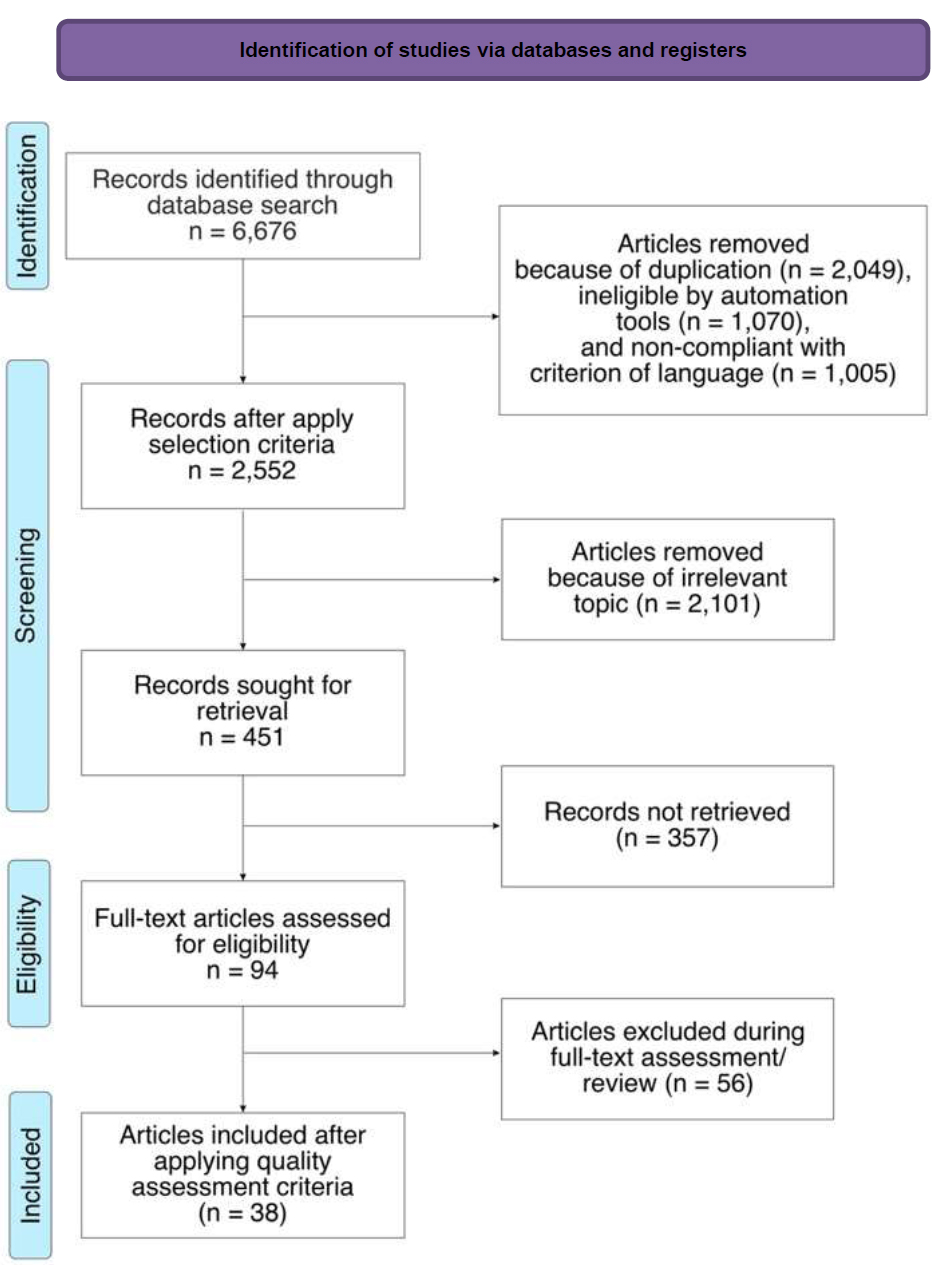
PRISMA flow diagram of the article selection process.
2.2. Search Strategy
To identify studies relevant to SEL interventions for bullying prevention and the improvement of adolescent mental well-being, a comprehensive literature search was conducted in four electronic databases: Scopus, PsycINFO, ERIC, and ResearchGate. The search covered studies published between January 2013 and December 2023, and the last search was conducted on January 10th, 2024. Only peer-reviewed journal articles published in English were included, while grey literature, such as dissertations, preprints, and reports, was excluded. In addition, the reference lists of all included studies were manually screened to identify any relevant publications not captured in the database searches.
The search strategy combined controlled vocabulary and free-text terms related to SEL, bullying, and mental well-being. Boolean operators (“AND”, “OR”) were used to refine results. The main search string used in Scopus was as follows: (“social emotional learning” OR “SEL”) AND (“bullying” OR “school bullying”) AND (“mental well-being” OR “psychological well-being”) AND (“adolescents” OR “youth”). Equivalent search strings were adapted for PsycINFO and ERIC according to their indexing terms and syntax.
ResearchGate was included to locate additional peer-reviewed articles that were published in academic journals but shared by authors on the platform, ensuring that no relevant studies were missed due to database indexing limitations. Only full-text versions of peer-reviewed studies were considered from ResearchGate; non-reviewed or preprint materials were excluded.
2.3. Study Selection
All retrieved records were exported into a citation management system, where duplicates were both automatically and manually removed. Two independent reviewers then reviewed the title and abstract for each remaining record to assess their potential for eligibility for inclusion. All studies that had been deemed eligible based on the title and abstract were then obtained for review in full text. The same two reviewers independently evaluated the full texts for eligibility using the inclusion/exclusion criteria. Any disagreement regarding whether a particular study met the inclusion/exclusion criteria was resolved through dialogue; however, when consensus could not be reached, a third reviewer was consulted.
Studies meeting the inclusion criteria were those that examined SEL programs designed to reduce bullying behavior and/or improve adolescent mental health; included adolescents aged approximately 10-19 years; reported empirical primary data; and were published in a peer-reviewed journal between 2013 and 2023. Studies meeting the exclusion criteria included those that did not specifically evaluate an SEL program; articles lacking empirical data (e.g., reviews, commentaries/opinion pieces); studies published in a language other than English; and non-peer-reviewed materials (e.g., conference abstracts, book chapters, grey literature).
2.4. Data Extraction and Analysis
To ensure that studies were analyzed consistently, a standardized data extraction tool was created. All two reviewers independently completed the extraction process for each included study based on the following information: bibliographic details (author name, year, country); study design and sample size; participant demographics (age range and sex distribution); the SEL program (length of time, components, how it is delivered); the outcome measurements (bullying rates and mental health); key findings; limitations reported by the authors; and an overall risk of bias. If there were differences in the data extracted from studies, the two reviewers would continue to discuss those differences until they came to a consensus. The data extracted were then organized in tables to help compare results among the various studies. A qualitative synthesis of the results was conducted using a thematic approach to group findings based on what the interventions focused on, the outcomes measured, and the study methodology used. In addition, a qualitative evaluation of the methodological quality and risk of bias for all studies was also performed using the Mixed-Methods Appraisal Tool (MMAT). The MMAT is a tool designed to assess both quantitative and qualitative studies as well as mixed-method studies. The results of the MMAT ratings provided a basis for interpreting the findings of each study and helped to illustrate the strengths and limitations of the body of evidence for this topic. Most studies evaluated in this review demonstrated moderate to high levels of methodological quality regarding how they clearly defined their research question(s), selected participants, and reported the outcomes. However, several studies were found to have poor reporting of critical design aspects (i.e., random assignment processes, whether the researchers were blinded to treatment assignments, or whether the intervention was implemented with integrity), which resulted in “Cannot tell” ratings (i.e., insufficient information to assess) for these particular criteria.
2.5. Eligibility Criteria
The studies to be included were those that investigated SEL programs to prevent bullying and/or improve adolescent mental health (roughly 10-19 year olds), which were to be reviewed in peer-reviewed journals from 2013 to 2023, written in English. The types of research included were both empirical (e.g., meta-analysis, review, etc.) and theoretical (e.g., conceptual paper, etc.). Studies were excluded if they did not focus on SEL interventions or were commentaries, opinion pieces, conference abstracts, book chapters, or other forms of grey literature.
The initial database searches retrieved 6,676 unique articles after merging all keyword searches and removing duplicates. Across all keyword combinations, the total number of search hits was higher (11,737) due to overlap, as many articles were indexed under multiple related search terms. The number of articles retrieved for each term was as follows: “Social Emotional Learning (SEL)” (2,580), “Bullying” (2,448), “Mental well-being in adolescents” (1,648), “SEL to prevent bullying” (3,183), “SEL to improve mental well-being in adolescents” (1,389), “SEL to prevent bullying and improve mental well-being” (451), and “SEL to prevent bullying and improve mental well-being in adolescents” (38).
3. RESULTS
Based on an in-depth analysis of the articles included in this systematic review, key findings on the role of SEL in preventing bullying and improving adolescent mental well-being were identified and are presented in Table 1.
| Categories | References | Main Findings |
|---|---|---|
| Effectiveness of SEL in preventing bullying | [1, 10, 16-23] | SEL significantly reduces bullying and victimization by enhancing social and emotional skills among primary and middle school students. |
| Influence of SEL on adolescent mental well-being | [11, 24-30] | SEL programs improve mental well-being by reducing anxiety and depression while enhancing emotion regulation and empathy. |
| Trends in SEL implementation over the last decade | [31-36] | SEL implementation has grown significantly over the past decade, particularly in integrating mental health and academic programs in schools. |
| Challenges and barriers to SEL implementation | [37-41] | Key barriers to SEL implementation include insufficient teacher training, limited resources, and challenges in large-scale adoption across different regions and cultures. |
| Variations in implementation across social and cultural contexts | [14, 42-45] | Adapting SEL implementation to local socio-cultural contexts is crucial for achieving optimal outcomes, especially in diverse communities. |
| Recommendations for future research | [12, 33, 46-48] | Additional research is required to investigate the long-term impacts of SEL initiatives, particularly in reducing social-emotional and academic risks. |
Table 2 categorizes the findings of the study on SEL's role in preventing bullying and improving adolescent mental well-being, mapping all 38 expert opinions into two main categories: Bullying Prevention and Mental Well-being Enhancement. These findings offer strong empirical support for the effectiveness of SEL in preventing bullying and improving adolescent mental well-being over the past decade. Table 3 details the development of SEL-related research by year.
| Category | Ref. | Study Design | Sample Size | Intervention Duration | Follow-Up Included | Type of SEL Implementation | Description |
|---|---|---|---|---|---|---|---|
| Bullying Prevention | [16] | Cross-Sectional Study | 2832 students | Single timepoint (cross-sectional) | No follow-up | SEL instruction integrated into the school curriculum, assessed via student perceptions using subscales of the Delaware School Climate Survey |
SEL programs in schools significantly reduced perceptions of victimization, with students who participated experiencing bullying less frequently. |
| [1] | Review | Not applicable/Not reported | Not applicable | Not applicable | Discussion/review of bullying research; no SEL intervention implemented |
Implementing SEL as part of an anti-bullying program is crucial for reducing overall bullying rates in schools. |
|
| [10] | Quantitative Randomized Controlled Trial |
123 students (47 intervention, 76 control) |
3 years | Yes (longitudinal across 3 years) | Second Step: Student Success Through Prevention (SS-SSTP) Middle School Program; structured SEL curriculum with 41 lessons on empathy, bullying prevention, communication, and emotion regulation |
SEL initiatives have been shown to decrease fighting behavior and victimization, particularly at the secondary school level. |
|
| [17] | Quantitative Cross-Sectional Study | 10,273 adolescents | Single timepoint (cross-sectional) | No follow-up | Observational study; no SEL intervention implemented; assessment of bullying forms and mental health outcomes |
By fostering social and emotional skills, SEL initiatives directly contribute to reducing bullying behavior among students. |
|
| [18] | Cluster Randomized Trial | 1,460 7th-grade students | Duration of the school year / during the intervention period (not explicitly stated) |
Yes (cluster randomized trial across 15 schools) |
Cooperative learning-based SEL approach integrated into classroom activities to promote positive peer interactions, reduce bullying and victimization, and enhance emotional and social outcomes. |
Studies indicate that SEL-based cooperative learning improves peer relationships, which in turn lowers the incidence of bullying in schools. |
|
| [19] | Quantitative Cross-Sectional Observational Study |
662 students | Single timepoint (cross-sectional) | No follow-up | Observational study; no SEL intervention implemented; examined associations between teacher unfairness, social goals, and bullying behavior |
Teachers' perceived fairness toward students influences bullying incidents, and SEL-based interventions that promote fairness in the classroom help mitigate bullying. |
|
| [20] | Scoping Review | Not applicable / varies across studies | Not consistently reported | Not consistently reported | Scoping review of occupation-based interventions targeting adolescent and young adult mental health; no specific SEL intervention implemented | Integrating occupational activities into SEL programs has been found to reduce bullying among adolescents. |
|
| [46] | Quantitative Non-Randomized Retrospective Cohort |
874,203 adolescents (425,938 males, 448,265 females) |
Retrospective exposure from birth to age 4; data collected across multiple survey cycles (1994–2014) |
Yes (longitudinal/retrospective linking of early-life income inequality to adolescent outcomes) |
Observational study; no SEL intervention implemented; examined associations between early-life income inequality and adolescent mental health and bullying |
SEL has been shown to lower bullying rates among students in neighborhoods with high income inequality. |
|
| [44] | Quantitative Descriptive Repeated Cross-Sectional Study |
21,901 adolescents | Cross-sectional surveys at four timepoints (2005, 2009, 2013, 2017) |
No longitudinal follow-up per individual; repeated cross-sections |
Observational study; no SEL intervention implemented; assessed trends in wellbeing, schoolwork pressure, parent communication, and bullying victimization |
This study demonstrated that implementing the SEL intervention in the Netherlands between 2005 and 2017 reduced bullying victimization in schools. |
|
| [32] | Meta-Analysis | 89 studies (meta-analysis) | Varies across studies | Varies across studies | Meta-analysis of school-based, universal SEL programs; examined effects on social-emotional competence, pro-social behaviour, conduct problems, emotional distress, academic achievement, and emotional competence |
Research indicates that the involvement of SEL program developers and adaptation to international contexts significantly influence program outcomes, including a reduction in bullying behavior. |
|
| [38] | Conceptual Paper | Not applicable | Not applicable | Not applicable | Conceptual study; no empirical SEL intervention implemented; proposes a leadership framework for culturally relevant and equity-oriented SEL reforms |
The study suggests that SEL programs focusing on diversity-based leadership and student mindfulness can effectively prevent bullying in schools. |
|
| [41] | Quantitative, Longitudinal Cohort Study |
150 boarding students (76 males, 74 females) |
Longitudinal over 3 years (Grades 7–9) |
Yes | Observational study; no formal SEL intervention implemented; examined social, emotional, and mental well-being predictors of bullying victimization and perpetration |
Findings show that implementing SEL in boarding schools helps reduce bullying among students, both as victims and perpetrators. |
|
| [45] | Quantitative Descriptive | Not specified | Single timepoint (cross-sectional) | No follow-up | Observational study; no SEL intervention implemented; examined associations between perceived school kindness, achievement goal orientations, and academic engagement |
SEL programs emphasizing kindness and instrumental goals in schools contribute to reducing bullying behavior and increasing student engagement. |
|
| [12] | Review Article | Not applicable | Not applicable | Not applicable | Conceptual/review study; no empirical SEL intervention implemented; proposes a model for school-based SEL to enhance social-emotional competence and resilience |
This study highlights that social-emotional competence developed through SEL helps students reduce aggressive behavior and bullying in the educational setting. |
|
| [47] | Cross-sectional | 353 workers | Single timepoint (cross-sectional) | No follow-up | Observational study; no SEL intervention implemented; examined relationships between workplace bullying, emotional exhaustion, psychological well-being, and productivity loss |
Research indicates that workplace bullying behavior (presenteeism) can be minimized through better social-emotional skills, particularly when SEL programs are implemented early in life. |
|
| Mental Well-being Enhancement | [11] | Meta-Analysis | 97,406 students across 82 studies | Varies across studies; kindergarten to high school | Yes, 6 months to 18 years post-intervention | Meta-analysis of school-based, universal SEL interventions targeting social-emotional skills, attitudes, well-being, and broader developmental outcomes | This meta-analysis demonstrates that SEL interventions not only support social-emotional development but also significantly enhance students' mental well-being. |
| [24] | Cluster Randomized Controlled Trial (Quantitative) | ~1,594 students (across ~80 classrooms) | Short-term: 2 weeks; Medium-term: 6 months | Yes, baseline, 2-week postintervention, 6-month postintervention | ACT OUT! Social Issue Theater program: Brief psychodramatic intervention to enhance social-emotional competence and reduce bullying | A comprehensive SEL program has been shown to improve adolescents' social-emotional competence and mental health, leading to reduced levels of anxiety and depression. | |
| [30] | Meta-Analysis | 3,004 in-service preK–12 teachers across 43 studies | Varies across studies | Varies across studies | Meta-analysis of school-based SEL interventions targeting teachers’ social-emotional competence, well-being, and psychological distress | SEL programs for teachers show statistically substantial small to medium effect sizes on their social and emotional competence, well-being, and psychological distress. | |
| [25] | Review Paper | Not applicable | Not applicable | Not applicable | Conceptual/review study; no SEL or physical activity intervention implemented; discusses the relationship between physical activity and wellbeing across the lifespan | SEL programs that incorporate physical activity significantly enhance adolescents' emotional well-being, improving sleep quality and reducing stress levels. | |
| [26] | Quantitative Descriptive (Cross-Sectional) | 390 high school students (aged 15–18 years) | Single timepoint (cross-sectional) | No follow-up | Observational study; no SEL intervention implemented; examined associations between self-concept clarity, self-esteem, peer support, bullying, and mental-emotional disorders | Research indicates that emotional disturbances in adolescents can be minimized through SEL programs that aid in emotion regulation and strengthen mental resilience. | |
| [27] | Qualitative | 69 adolescents (38 males, 31 females) | Single timepoint (focus group discussions) | No follow-up | Participatory qualitative study; no SEL intervention implemented; explored students’ experiences and recommendations for culturally responsive and transformative SEL supports for resettled refugee youth. | SEL initiatives have been demonstrated to significantly enhance the emotional well-being of conflict-affected adolescents by reducing anxiety and enhancing social engagement. | |
| [28] | Quantitative Non-Randomized (Cohort Study) | 928 adolescents (aged 12–13 at baseline) | Baseline and 3-year follow-up | Yes, 3 years | Observational cohort study; no SEL intervention; examined associations between physical activity and mental wellbeing/mental health symptoms | Findings suggest a strong connection between SEL implementation and improved adolescent mental health, with notable reductions in depression levels. | |
| [14] | Review Paper | Not applicable | Not applicable | Not applicable | Conceptual/review study; no empirical SEL intervention implemented; proposes a multilevel heuristic model to integrate sociocultural competence into SEL program development, implementation, and evaluation | This study highlights that SEL programs tailored to adolescents' cultural backgrounds play a crucial role in enhancing their mental well-being. | |
| [29] | Cross-sectional | 5,171 adolescents (aged 12–17 years) | Single timepoint (cross-sectional) | No follow-up | Observational study; no SEL intervention implemented; assessed prevalence of psychological problems using the Strengths and Difficulties Questionnaire (SDQ) | SEL programs have been found to help lower anxiety and depression among Iranian adolescents, particularly in coping with social pressures. | |
| [36] | Review Paper | Not applicable | Not applicable | Not applicable | Conceptual/review article; no empirical SEL intervention implemented; discusses evidence-based, universal school-based SEL programs and their potential impact on child development and public health | SEL initiatives integrated into the school curriculum can enhance student engagement and overall mental health. | |
| [34] | Systematic Review/Meta-Analysis | 57,755–61,360 students across studies (pre-K–12) | Varies by study; review does not specify | Not consistently reported | Review/meta-analysis of 40 school-based SEL interventions; assessed effects on reading, mathematics, and science achievement | A systematically implemented SEL program has been shown to reduce mental health issues and improve students' academic involvement. | |
| [43] | Cross-Sectional, Multilevel Observational Design | 25,896 students (elementary, middle, and high school) | Cross-sectional; single timepoint | No follow-up | Observational study; assessed associations between perceptions of SEL-related factors (teacher–student relationships, student–student relationships, teaching of social-emotional competencies) and cognitive–behavioral and emotional engagement; no intervention implemented | A holistic SEL approach supports senior high school students in improving emotion regulation and coping with social pressure. | |
| [31] | Meta-Analysis | 15,498 preschool students | Varies by study; not consistently specified | Varies by study; not consistently reported | Meta-analysis of 48 studies on universal and targeted preschool SEL interventions; focused on social-emotional skill development and reduction of problem behaviors | A study found that SEL interventions at the preschool level led to positive results in children's social-emotional growth, directly enhancing their mental well-being. | |
| [33] | Meta-Analysis | Not specified | Varies across studies; not consistently reported | Varies across studies; not consistently reported | Review of interventions aimed at improving teachers’ social-emotional competence and stress management; focus on classroom practices that promote student SEL | Research highlights that teachers trained in SEL programs are instrumental in improving students' emotional well-being by strengthening emotion regulation and providing social support in the classroom. | |
| [35] | Meta-Analysis | 496,299 participants across 45 studies (30 interventions) | Not specified for all interventions; varies by study | Post-intervention outcomes reported; follow-up duration not consistently reported | Whole-school SEL interventions involving coordinated activities across curriculum teaching, school ethos/environment, and family/community partnerships | Findings indicate that a whole-school strategy to SEL is effective in improving students' social-emotional growth and mental health. | |
| [37] | Conceptual Paper | Not specified | Not specified | Not specified | School-wide/systemic SEL implementation guided by CASEL’s Theory of Action (ToA), integrating social-emotional learning across classrooms, school practices, and community engagement | Evidence demonstrates that the systemic integration of SEL into schools improves students' mental well-being through the consistent reinforcement of social and emotional skills within the school environment. | |
| [39] | Systematic Review | Not specified | Not specified | Not reported | Evidence-based elementary school SEL programs, organized around CASEL’s five competency domains | This study identifies key components of evidence-based SEL initiatives that positively impact students' mental health, particularly by improving self-awareness and emotion regulation. | |
| [40] | Conceptual Paper | Not specified | Not specified | Not reported | Broad, system-level, and individual-level mental health support, emphasizing evidence-based programming and collaboration with school personnel. | Research has shown that SEL programs contribute to adolescent mental health by enhancing social skills and reducing emotional difficulties. | |
| [42] | Quantitative Descriptive (Retrospective Observational) | 5,985 diagnosed patients (from 8,904 total visits) | 20-year retrospective period | Not applicable (cross-sectional/retrospective data) | Diagnostic assessment of mental disorders in a pediatric inpatient population, analyzed by migration background, gender, and socioeconomic status (SES); focus on prevalence patterns rather than an active intervention | A study found that a migration background can influence adolescents' mental health, but well-designed SEL initiatives can help improve their emotional well-being. | |
| [48] | Quasi-Experimental, Pre- and Post-Test Design | 208 students (143 intervention; 65 comparison) | 16 weeks | No follow-up; only pre- and post-test assessments | Classroom-based SEL program infused into the curriculum; universal intervention | The study evaluated a classroom-based SEL program in three Portuguese public elementary schools targeting communication, self-regulation, and peer relationships. Positive effects were observed in assertiveness, peer cooperation, emotional control, and classroom cohesion, with some grade-specific differences. Results support integrating SEL into curricula to strengthen socio-emotional skills in school-aged children. | |
| [21] | Conceptual/Scoping Review | Not specified; scoping review of empirical literature over 20 years | N/A – review of existing studies, not a single intervention | N/A | Culturally responsive, embodied, and situated SEL programs; focus on developing transferable social-emotional competencies grounded in learners’ lived experiences across North America, Japan, and South Africa. | In Japan, SEL initiatives assist students in managing social and emotional stress, leading to a positive impact on their mental well-being. | |
| [22] | Meta-Analysis | 22 peer-reviewed studies (23 SEL programs) conducted in Korea | Varies by program; analyzed by number of sessions and session length | Not consistently reported | School-based SEL programs; focus on improving social-emotional competencies; effectiveness analyzed via meta-analysis and quality assessment using Evidence-Based Intervention (EBI) indicators | The SEL program in South Korea has had a substantial effect on students' mental health, strengthening their ability to manage stress and anxiety. | |
| [23] | Document Analysis | N/A (document analysis of TECEC) | N/A (curriculum analysis) | Not applicable | Early childhood education curriculum (Turkey); analysis of SEL skills based on CASEL framework | Research indicates that culturally adapted SEL programs in Turkey improve adolescents' mental well-being by reinforcing social and emotional skills. |
| Year | References | Emerging Developments |
|---|---|---|
| 2013 | [1, 25, 29, 42] | Highlighting the reduction of bullying through SEL interventions and its impact on adolescent mental health, including decreased anxiety and stress. |
| 2014 | [14, 19] | Emphasizing equity-based and multicultural SEL approaches in preventing bullying and enhancing mental well-being. |
| 2015 | [10, 41] | SEL reduces fighting and victimization while improving well-being in boarding schools. |
| 2016 | [17, 32, 37] | Examining the role of SEL developers in bullying prevention and its effect on reducing emotional stress. |
| 2017 | [11, 12, 33, 36, 47] | Meta-analyses demonstrate improvements in mental well-being, the role of teachers in SEL implementation, and the strengthening of emotion regulation in schools. |
| 2018 | [18, 34, 43] | SEL enhances student relationships and boosts academic achievement across diverse socio-cultural contexts. |
| 2019 | [16, 28, 35, 38, 39, 45] | SEL programs reduce bullying victimization and highlight the importance of diversity-based leadership and equity in implementation. |
| 2020 | [24, 31, 44, 46] | Strengthening SEL implementation in preschool settings and preventing bullying in neighborhoods with income inequality. |
| 2021 | [27, 30] | SEL supports emotional well-being in conflict-affected environments and helps regulate emotions to prevent bullying. |
| 2022 | [21-23] | Emphasizing the importance of cultural adaptation and emotion regulation in improving student engagement and well-being. |
| 2023 | [20, 26, 48] | Reducing emotional disturbances through SEL and enhancing mental well-being through occupational activities. |
4. DISCUSSION
The overall synthesis of 38 research studies examined how SEL is implemented and impacts various populations of students (adolescents) in a variety of educational settings and cultures. The general findings of this review support that SEL programmes are effective in reducing bullying behavior among adolescents as well as enhancing adolescents' mental health. Both quantitative and longitudinal studies found enhancements in empathy, peer cooperation, and adolescents' ability to regulate their emotions, while also supporting moderate to minor positive effects in students' social/emotional competencies and psychological health through the use of meta-analysis. Nonetheless, there are many variables that affect the quality of the evidence base for SEL. The majority of the studies reviewed focused on students in the West and East Asia, and very little research has been conducted in non-Western and/or conflict-affected areas. There was also considerable variability in methodology, in addition to many cross-sectional and short-term studies, which have limited long-term impact due to the fact that they did not include follow-up assessments. While the results are subject to limitations, the overwhelming body of evidence indicates that school-based SEL program implementation yields significant benefits for emotional resilience and school climate and ultimately demonstrates preventive potential in promoting student well-being and preventing bullying across settings.
A number of quantitative studies have provided additional support for the effectiveness of SEL interventions, as well as providing supporting longitudinal and meta-analytic data to inform the narrative synthesis described in this review. Multiple longitudinal and meta-analytic studies have shown SEL interventions are associated with minor to moderate positive changes in developmentally relevant outcomes. A meta-analysis by Olweus [1] reported that the correlation coefficient, r = 0.17, which links general aggression to bullying, is low, and a related meta-analysis indicated that the odds ratio (OR) for bullying perpetration as a predictor of later antisocial behavior is 2.06 (95% CI: 1.79–2.38), suggesting that SEL may help reduce long-term behavioral risk factors. A study conducted by Espelage et al. [10] indicated significant differences in the amount of bullying that occurred over time among students who participated in an SEL intervention compared to those who did not (δ = −0.20, 95% CI [−0.38, −0.03]), indicating that students who received SEL had fewer instances of bullying than their peers. Additionally, Taylor et al. [11] reported meta-analytically that SEL produces a statistically significant increase in SEL skills (ES = 0.17), positive attitudes toward self (ES = 0.17), academic performance (ES = 0.22), and decreases in emotional distress (ES = 0.12). The results from these studies suggest that SEL has benefits across both cognitive and emotional domains. Further, Nickerson et al. [16] found that SEL skills of students significantly mediated the relationship between SEL instruction and peer victimization (B = −0.14 for elementary/middle school; B = −0.09 for high school), highlighting SEL’s protective mechanisms. Van Ryzin et al. [18] found that SEL instruction produced significant intervention effects on bullying, victimization, and perceived stress, and decreased levels of emotional problems and increased levels of relatedness.
The evidence has demonstrated across numerous studies that SEL enhances social-emotional skills for youth and promotes prosocial behaviors while reducing bullying through improvements in students' emotional regulation, cooperation, and empathy. Many of the studies [1, 10, 16–18, 20] have shown that SEL-based programs are associated with a lower rate ofvictimization and aggression in many ways, including improving the relationship between peers as well as creating a more supportive classroom environment. The most effective programs to reduce bullying included cooperative learning and teacher fairness because they address both social and structural issues that cause bullying [18, 19]. In addition, long-term and school-wide SEL-based programs were more successful at reducing bullying over time and demonstrated that longer implementation of SEL-based programs, as well as more widespread implementation, would lead to sustained results [17, 44].
In addition to its prevention aspect, SEL is important for the development of adolescents' mental health. Research from numerous studies [11, 24–28] indicates that SEL strengthens social-emotional competence, reduces psychological distress, and fosters emotional resilience. These results were even more pronounced when SEL was used in high-stress or post-conflict areas [27], providing evidence of its adaptability to diverse psychosocial needs. The meta-analysis [11] also demonstrated significant improvements in emotional regulation and overall psychological health as a result of SEL programs, especially when those SEL programs had continued or school-wide implementation. Additionally, it was found that by combining with physical activity [25, 28], there are amplified positive outcomes, indicating that multi-dimensional programs that address both the emotional and physical aspects may have larger benefits.
Further shaping the effectiveness of SEL are culturally and contextually responsive adaptations. There is substantial evidence that programs developed to fit adolescents' cultural and ethnic identity produce better mental health outcomes and increase student engagement [14], which corresponds with transformational SEL and incorporates social and environmental justice to increase the emotional resilience of students and their feelings. In comparison, research conducted in the West has emphasized individual emotional regulation, empathy, and classroom climate, while research conducted in non-Western or collectivist cultures (such as Iran and Indonesia) has focused on community harmony, family unity, and the development of moral values as foundational to social-emotional growth. The importance of contextual responsiveness is significant because many of the high-quality studies on SEL were conducted in Western and East Asian contexts; therefore, there is a need for additional research and evidence based on diverse and underrepresented contexts. A second aspect that plays an important role in influencing the sustainability of SEL is the system level; specifically, teacher engagement and institutional support for SEL have been identified as critical to sustaining the positive effects of SEL [33, 34]. From a broader public health perspective, SEL's ability to contribute to emotional well-being and social cohesion supports arguments for incorporating it into broader national education and health policy and frameworks [36].
Evidence of SEL's applicability and universality is also emerging from a variety of sociocultural contexts outside of the Western and East Asian contexts. The use of culturally-sensitive SEL programming among Iranian adolescents was found by Mohammadi [29] to be effective in reducing their anxiety and depression, and Yang et al [43] identified improvements in engagement and emotional well-being among students from a variety of educational backgrounds. Gaber et al. [42] indicated that while the experience of migration may increase risk for adolescents’ mental health, it has been demonstrated that SEL can reduce such inequalities through improving adolescents' ability to regulate their emotions and develop social supports. The studies provide examples of how the focus and effectiveness of these programs are influenced by socioeconomic and cultural factors. Western SEL models typically operate within resource-rich, individualistic frameworks, whereas non-Western SEL models adapt SEL principles to collectivist, resource-poor environments where family and community play central roles in adolescents’ lives. Such findings indicate that, if implemented in ways that are sensitive to the local culture, SEL could serve as a framework for enhancing the inclusion and equity of addressing mental health inequities and promoting psychosocial well-being among a wide range of populations.
Adolescents who participate in SEL initiatives have been shown to maintain improved levels of emotional control, social competence, and psychological wellness as a result of their SEL experience. Longitudinal and experimental studies conducted in high-quality research, such as those by Taylor et al. [11] and Agley et al. [24], demonstrated that SEL participation positively impacted adolescents' emotional regulation, social competence, and overall psychological health. The ability of SEL to be implemented across a variety of stressful environments has been demonstrated through evidence from conflict-affected environments [27] and through evidence that included an integrated physical activity component [25]. In addition to enhancing students' emotional health, well-implemented, whole school SEL programs have also created positive peer interactions and supportive learning climates [36]. These factors are interdependent; as indicated by Corcoran et al. [34], the SEL-related gains may enhance students' ability to engage and perform academically, due to their development of essential interpersonal skills.
Over the last ten years, SEL implementation has evolved from primarily a classroom activity to a systems-wide approach. Murano et al. [31] reported that there has been an increasing amount of research focused on the growth of early childhood SEL, with significant gains for the social/emotional development of preschoolers. Wigelsworth et al. [32] stated that a successful program is highly dependent on the level of engagement of developers and the degree to which the program can be adapted to fit the context in which it is being implemented. Additionally, there is an increasing interest in addressing teacher wellness and a growing body of research demonstrating strong links between SEL and student academic achievement [33, 34]. Although there have been many positive changes in how SEL is implemented, the challenges to sustainable implementation remain very real. Challenges include teacher preparation, resources, and the lack of systemic integration of SEL, as stated by Oberle et al. [37] and Lawson et al. [39]. Kennedy [38] added that SEL must be embedded in a framework of compassion and diversity-centered leadership to ensure that SEL is inclusive and will have lasting effects. To address these challenges, we need greater institutional commitment to supporting SEL as well as policies that provide the necessary support to take evidence-based SEL models and make them scalable and equitable in educational practice.
Research into the future of SEL should extend on the results of this study to help address both methodological and contextually relevant issues found in the current body of literature. Specifically, Domitrovich et al. [12] reported a need to examine in greater detail social-emotional competency as a primary mediator in adolescents' development; similarly, Schonert-Reichl [33] suggested that, although teachers are involved in SEL programs, teacher participation has been significantly under-investigated as a factor in determining the success or failure of SEL programs. Greenberg et al. [36] also called for longitudinal, systemic assessments to investigate how SEL affects larger educational and health-related outcomes over time. Taylor et al. [11] stated that consistent follow-up research would be necessary to determine if SEL maintains positive effects after an intervention period has ended and across multiple stages of developmental growth.
4.1. Digital and Technology-based SEL Interventions
More recent advancements in SEL have utilized both technology and interactive delivery formats. For example, Agley et al. [24] examined the ACT OUT! Social Issue Theater Program that utilized a scripted, multimedia format along with psychodramatic performance to increase students' social-emotional competencies and decrease bullying behaviors. Although it was conducted face-to-face, the program demonstrated the feasibility of scalable, technology-based adaptations, showing that even short, interactive intervention models can be effective at increasing students' awareness of their emotions and promoting positive social behaviors. Additionally, Lawson et al. [39] identified some of the limitations of traditional manualized SEL programs (i.e., costs, inflexible content, and inability to adapt) and highlighted the need for modular frameworks to support current trends towards digitally delivered and flexible SEL delivery.
SEL has been enhanced by technology that is also accessible to all people; digital SEL programs allow universal access while providing personalized support through using adaptive algorithms, automated feedback, and collaborative tools online to promote the development of emotion regulation, empathic feelings, and prosocial behaviors [49–51]. Using existing frameworks (CASEL and the SEAD model), the use of a digital platform supports coverage of all five major SEL areas (self-awareness, self-management, social awareness, relationship skills, and responsible decision-making) and supports an integrated learning experience of SEL skills in digital formats [52, 53].
In addition to meeting technical standards and having a viable content model, effective digital SEL models need to be designed with attention to emotion recognition, how to give feedback, and embedding social-emotional learning skills into real-world applications of students’ daily routines and assignments [54, 55]. It is important to develop teachers' capabilities, provide them with opportunities for professional development, and support their overall wellness to maintain program fidelity; technology may offer ways to scale educator support [56, 57]. Examples of accessible, engaging, and sustainable technology-based solutions include, but are not limited to, collaborative mindfulness-based programs using technology and game-based SEL programs delivered via online platforms. These examples illustrate that there are practical alternatives for delivering SEL remotely or in hybrid formats; these alternatives may improve accessibility, engagement, and the long-term effectiveness of SEL in current educational systems [49, 50].
4.2. Implications for Behavioral Science
Cultural relevance is an important factor in the success of SEL programs. Cultural diversity in a student’s socio-cultural environment requires adaptations of SEL content in order for students to become engaged with the program, as well as for the specific needs of the students to be addressed. SEL programs have been shown to be effective in the short term; however, additional research is needed to assess their effectiveness in the long term, as well as the barriers to successful implementation of these programs in varying cultural environments.
The contributions of this research include advancing more inclusive education policy by the integration of SEL into the school curriculum. Incorporating SEL within the framework of education helps develop a safe and supportive learning environment that enhances adolescents’ social interaction as well as their overall mental health. Furthermore, the results also indicate that culturally responsive SEL models are needed in order to be effective with varying student demographics. In addition, the results of this study further support the significant role that SEL plays in reducing bullying and improving adolescents’ mental well-being. Ultimately, if implemented correctly, SEL programs can foster an emotionally supportive school environment, thereby promoting resilience and positive social behaviors. These findings reinforce the necessity of incorporating SEL into educational frameworks to cultivate a generation of socially and emotionally competent individuals.
4.3. Limitations
While the current research is an important contribution to understanding how SEL impacts adolescent well-being and bullying prevention, there are some important limitations that must be noted. First, the literature that formed the basis for these findings was all peer-reviewed and published in English and may have been biased by publication bias (i.e., studies with more impressive findings are more likely to be published). Second, the review only included literature written in English; thus, it may have introduced language bias (i.e., literature written in other languages may have been overlooked) and potentially excluded important information. Third, the reviewed literature contained considerable variability in terms of the type of interventions implemented, measurement of outcomes, and where these interventions were implemented, and therefore limited direct comparisons and generalization of findings. Lastly, since no quantitative synthesis or meta-analysis was conducted, the authors' conclusions were primarily drawn from the researchers' qualitative/thematic analysis of the findings and not from the results of pooling statistical information across multiple studies.
Long-term effects of SEL interventions have been studied too little; many SEL intervention studies have measured short-term outcomes with no long-term follow-up assessment. Additionally, since this review was conducted without registering its protocol prior to conducting the review, it may be a source of concern regarding the review's reproducibility and transparency. In addition, although this synthesis has identified the importance of SEL to both the prevention of bullying and mental health, it does not provide an examination of other factors that can contribute to either bullying or poor mental health, such as family dynamics, peer influence, and student use of digital media. Therefore, future research should explore these areas and others in a systematic fashion and include more participants (i.e., broaden its inclusion criteria) when assessing SEL effectiveness in a variety of educational and cultural environments.
CONCLUSION
The importance of SEL in promoting the well-being of adolescents, in preventing bullying, and in developing their social-emotional competencies is highlighted in this study. The results of the study indicate that the programs based on SEL create a safer, more supportive, and more inclusive school community for students; they also enhance the positive relations between peers and reduce victimization among adolescents. In addition, research indicates that SEL has a positive impact on the mental health of adolescents when implemented in conjunction with culturally responsive practices and through the support of school-based implementation.
While there are many documented positive effects of SEL, there are still many barriers to widespread and sustainable implementation of it in schools, including teacher preparation/training, resource availability/ allocation, and culturally adapting to meet the needs of the local school community. SEL can achieve long-term viability in the educational system through being an integral part of the public education policy and adequately funded through continuous professional training for teachers on how to teach SEL, through school administrative actions that provide for a systematic assessment of the efficacy of SEL, and through collaboration among educators, families, and other local community-based organizations to promote a culture of SEL throughout schools rather than as a short-term “program.”
Future research is needed to assess the lasting impact of SEL programs, extending into the post-educational arena (emotional resiliency, academic achievement, etc.), as well as how educators contribute to adopting SEL and whether culturally based models are successful.
Ultimately, SEL represents a viable method of developing students' emotional intelligence, decreasing behavioral problems, and creating a more complete, emotionally intelligent learner. By adopting a cohesive policy for implementing SEL and by working together as a team, schools can produce resilient, compassionate, and socially competent learners who create a positive learning environment that is inclusive and supportive.
AUTHORS’ CONTRIBUTIONS
The authors confirm contribution to the paper as follows: T.A.P., B.A., F.A.S.: Study concept or design; T.A.P.: Data collection; T.A.P.: Draft manuscript; T.A.P.: Writing – original draft; B.A., F.A.S.: Writing, reviewing and editing; T.A.P., B.A.: Methodology; T.A.P., B.A., F.A.S.: Collaborator. All authors reviewed the results and approved the final version of the manuscript.
LIST OF ABBREVIATIONS
| CASEL | = Collaborative for Academic, Social, and Emotional Learning |
| EBI | = Evidence-Based Intervention |
| MMAT | = Mixed Methods Appraisal Tool |
| PRISMA | = Preferred Reporting Items for Systematic Reviews and Meta-Analyses |
| SEAD | = Social Emotional Ability Development |
| SEL | = Social-Emotional Learning |
AVAILABILITY OF DATA AND MATERIALS
The data supporting the findings of the article are available in the OSF at https://doi.org/10.17605/OSF.IO/BHG3R.
ACKNOWLEDGEMENTS
Not applicable.